Participation and Design
(Im)mortality Over Dinner was designed as an intimate, discussion-based method for exploring how people make meaning of death, memory, and emerging AI tools that promise forms of digital continuation. Grounded in a qualitative, constructivist approach, the Dinners created space for participants to reflect on their own grief practices and to consider how digital technologies and AI might support, transform, or disrupt those practices. Inspired by Michael Hebb’s well-developed concept Death Over Dinner which creates relaxed, inclusive environments for discussing the often-taboo subject of mortality—the project adapted this format to explore questions of digital afterlife. In this way, their role was not to lecture, but to spark conversation, asking questions like “What makes you feel alive?” or “How do you keep bonds with loved ones who have passed?”.

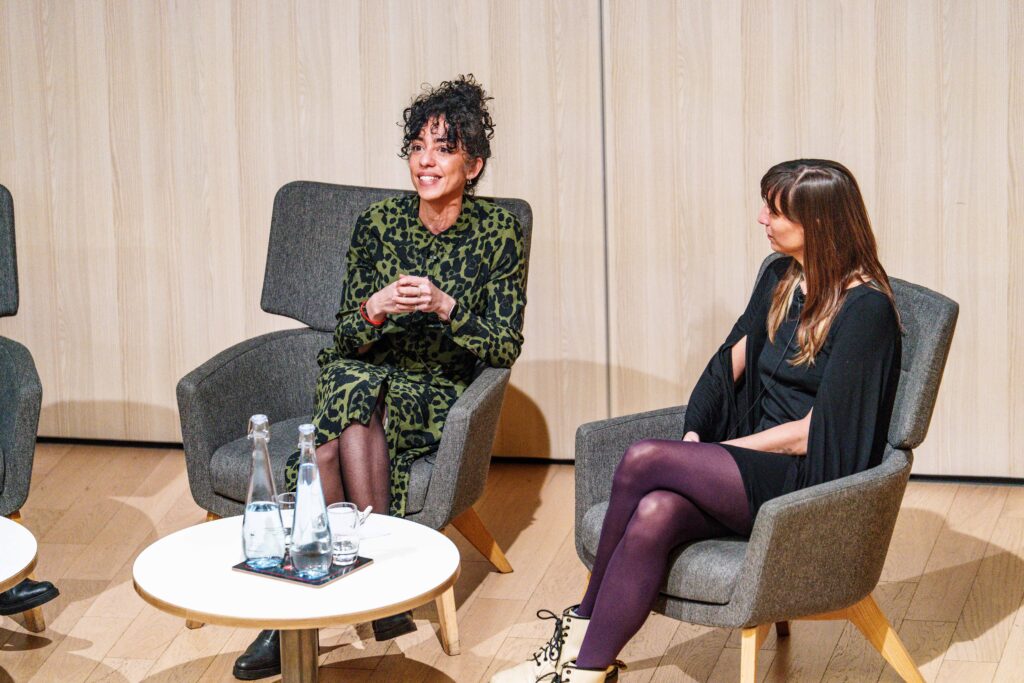
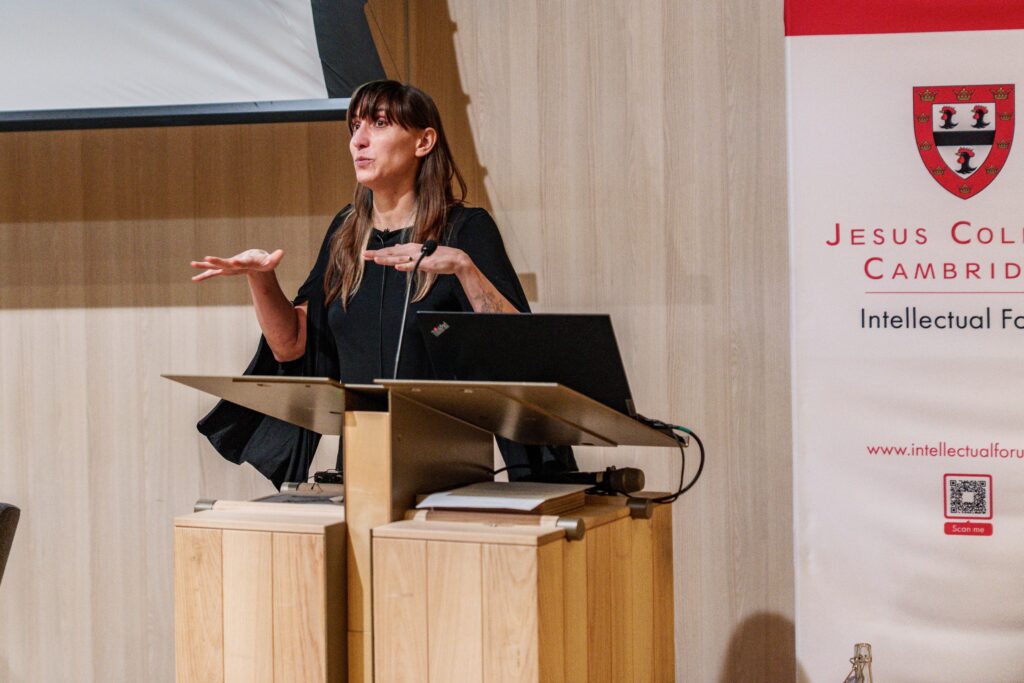
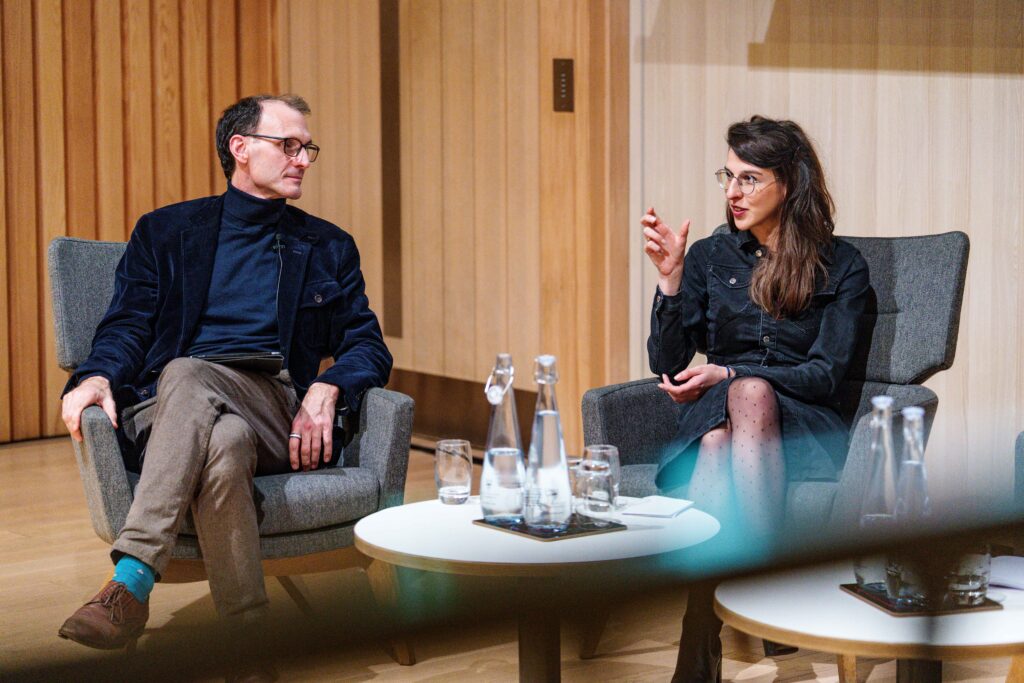
Anja Franczak and Katarzyna Nowaczyk-Basińska at one of the (Im)mortality Over Dinners in Poland
The Dinners began by inviting participants to introduce a deceased loved one—often through a name, photograph, or spoken memory—before sharing their existing ways of maintaining continuing bonds.
The conversation then turned to AI-based forms of remembrance, such as griefbots or digital avatars, drawing on the documentary Eternal You as a shared reference. Participants discussed what it might mean to “care for the dead” in the age of AI, who or what is being engaged when interacting with a digital simulation, and whether such interactions offer comfort, illusion, or something in between.
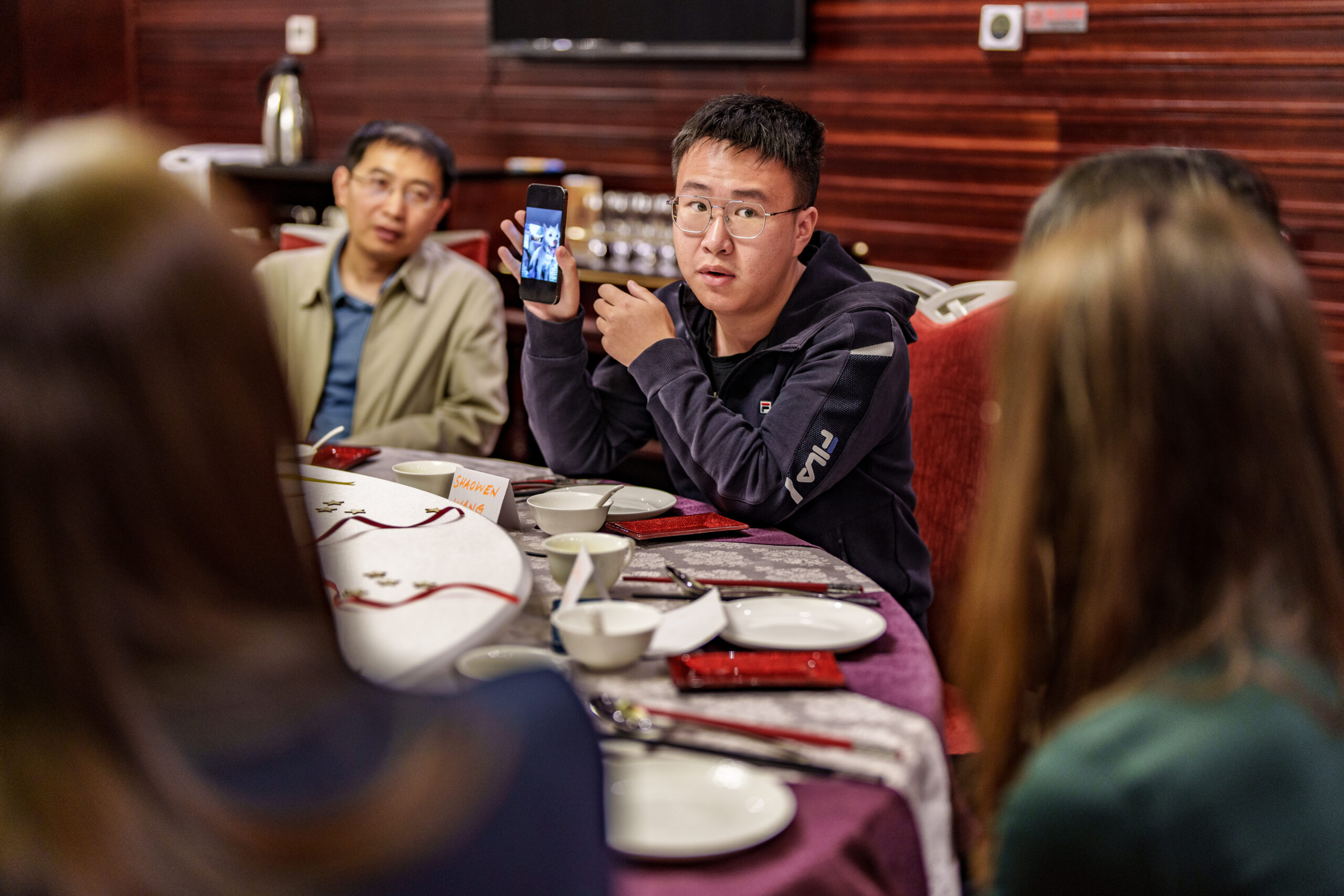
Participants at one of the (Im)mortality Over Dinners in China
The evening closed by imagining alternative uses of posthumous data beyond simulation, such as community archives or tools for intergenerational knowledge sharing. Throughout, symbolic gestures (candles, photographs, ribbons, stars) provided a grounded emotional vocabulary, while the shared meal helped nourish trust and openness. The Dinners thus served both as a research activity and as a meaningful communal space in which participants could articulate values, needs, and boundaries regarding digital immortality.
“(Im)mortality over Dinner is a space where science meets art, focus groups meet ceremony, intellect meets sensual experience, and data meets ritual.”
Anja Franczak
In each country, three small groups of up to nine participants were gathered through open calls shared on social media, allowing for a diverse range of perspectives and life experiences to be represented at each Dinner. Recruitment was supported by local partners who helped ensure the invitations were culturally accessible and widely distributed. In Poland, outreach was conducted in collaboration with CK Zamek and the Institute of the Good Death; in India, Ashoka University and its media team promoted the call across multiple communication channels; and in China, participant recruitment was facilitated primarily through WeChat and the Berggruen Institute’s networks.
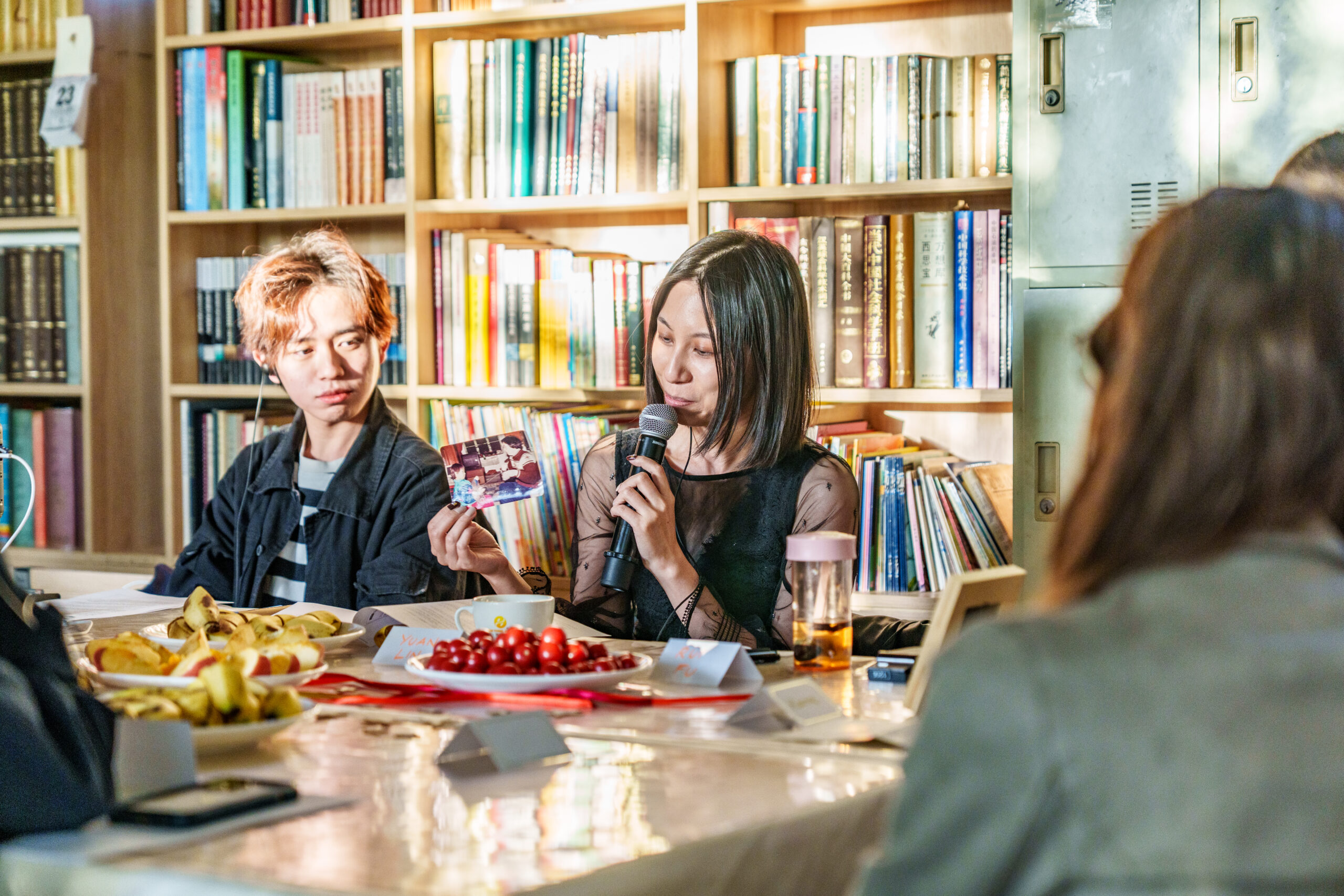
Participants at one of the (Im)mortality Over Dinners in China
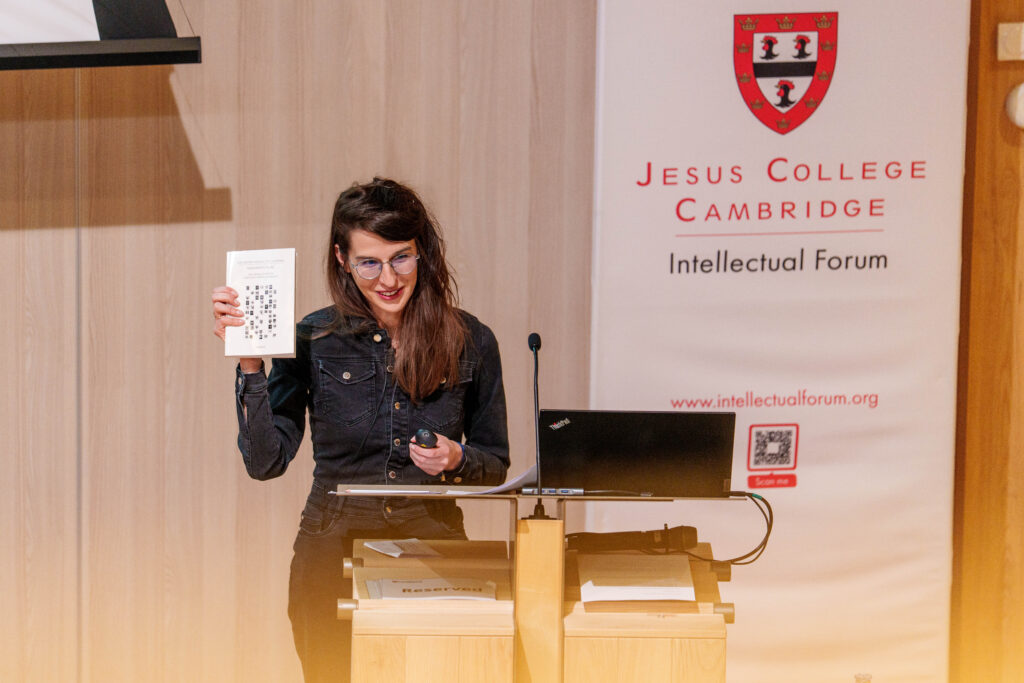
Those interested were asked to submit an application form available on the project website. In total, 70 people attended the Dinners (Poland, n = 26; India, n = 20; China, n = 24). The evenings were gently guided by Anja Franczak, aprofessional grief counsellor and founder of the Institute of the Good Death, together with Dr Katarzyna Nowaczyk-Basińska.
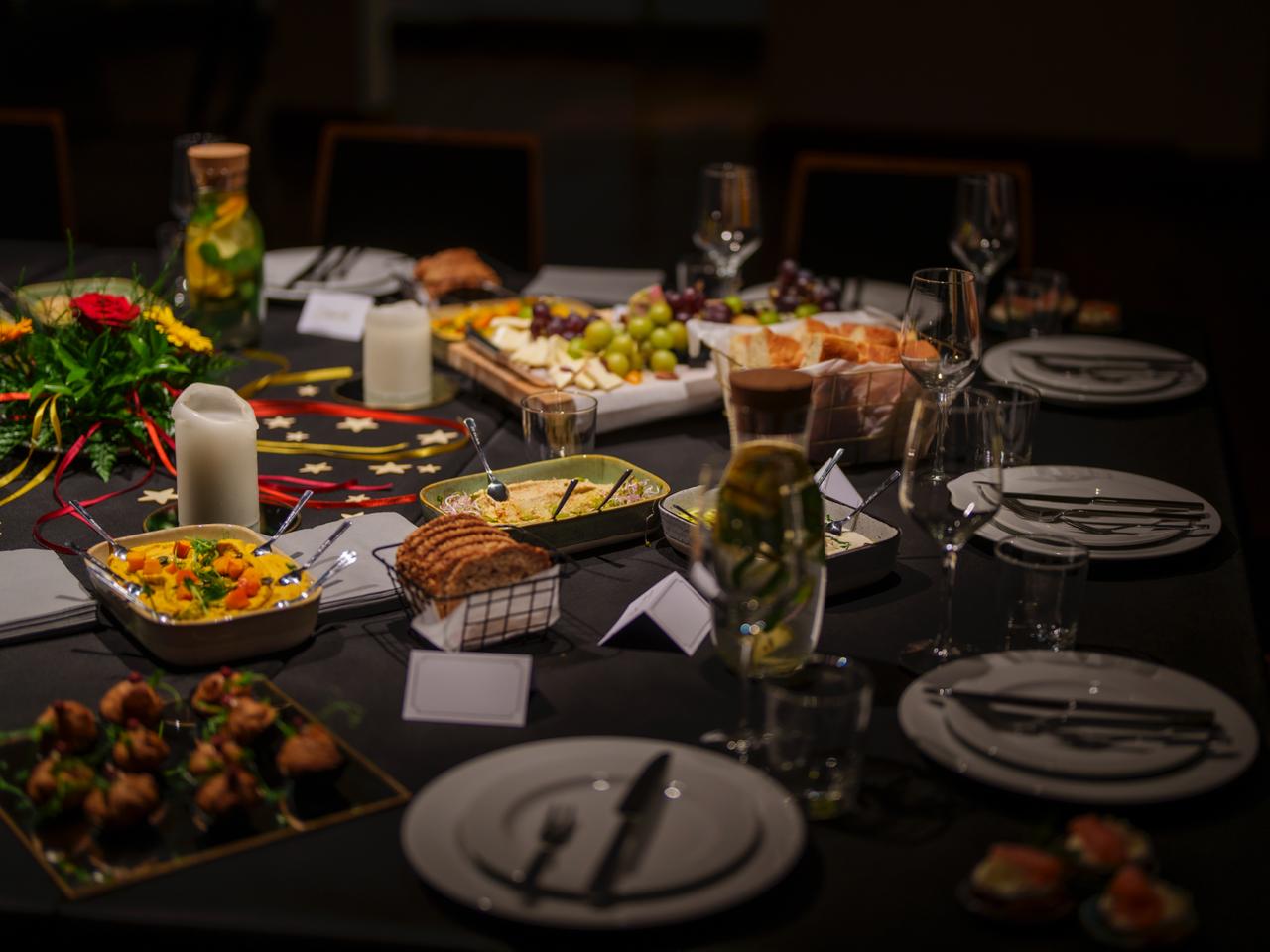
Details from the Table Setting at the (Im)mortality Over Dinners in Poland
At the end of each Dinner, participants were invited to take part in a short photo session conducted by the professional photographer Tomasz Siuda. On one level, this act extended the atmosphere of the evening—intimate, reflective, and grounded in shared presence. On another, it gently echoed the tradition of post-mortem portraits, one of photography’s earliest roles in preserving the image of the deceased. Each participant later received their portrait as a personal keepsake, as a thank-you for sharing their perspectives on death, grief, and digital immortality.
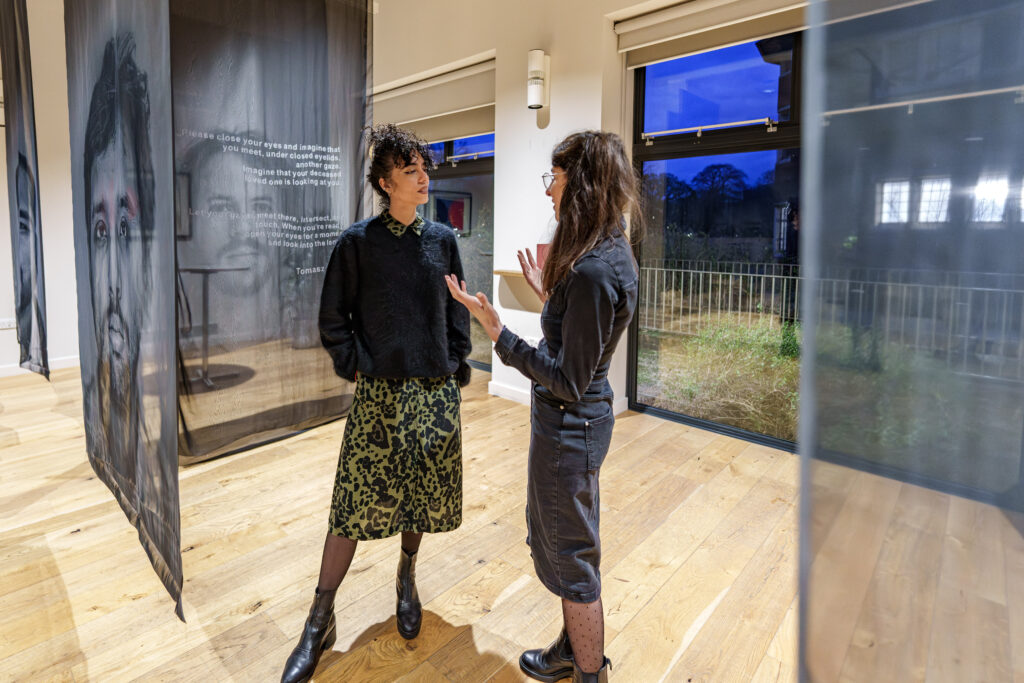
“Please close your eyes and imagine that you meet, under your closed eyelids, another gaze. Imagine that your deceased loved one is looking at you. Let your gazes meet there, intersect, and touch. When you’re ready, open your eyes for a moment and look into the lens.”
Tomasz Siuda
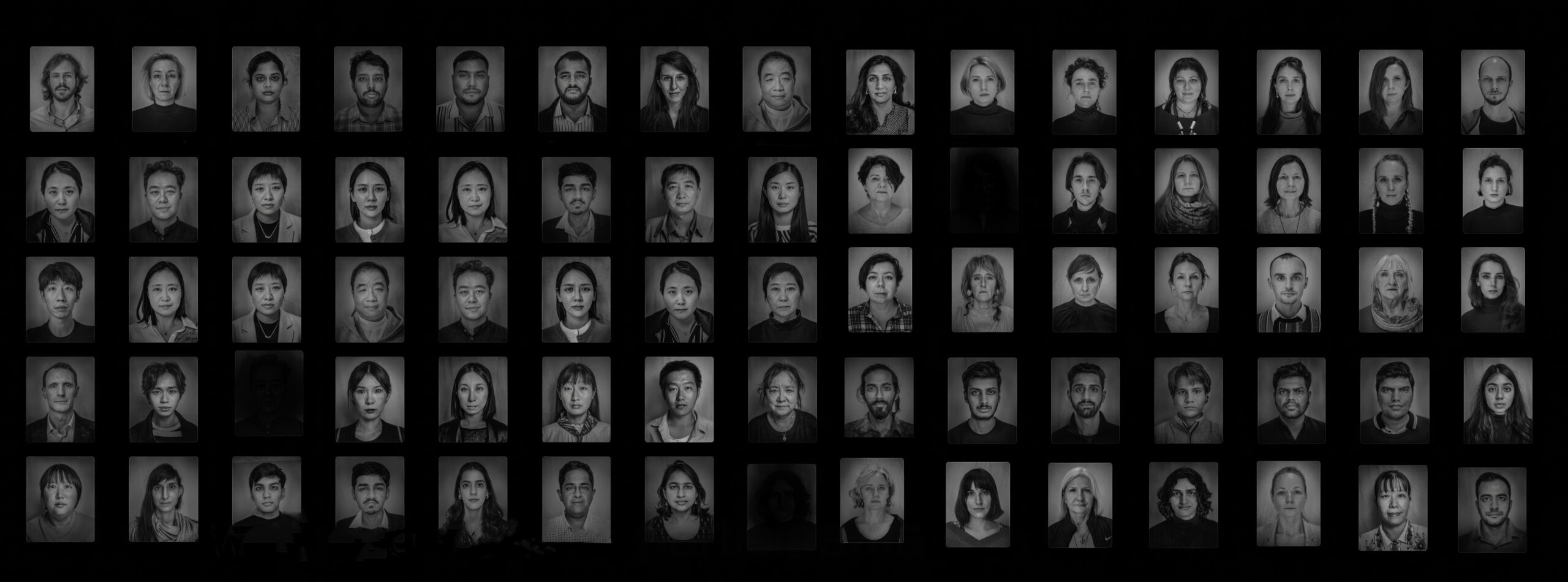
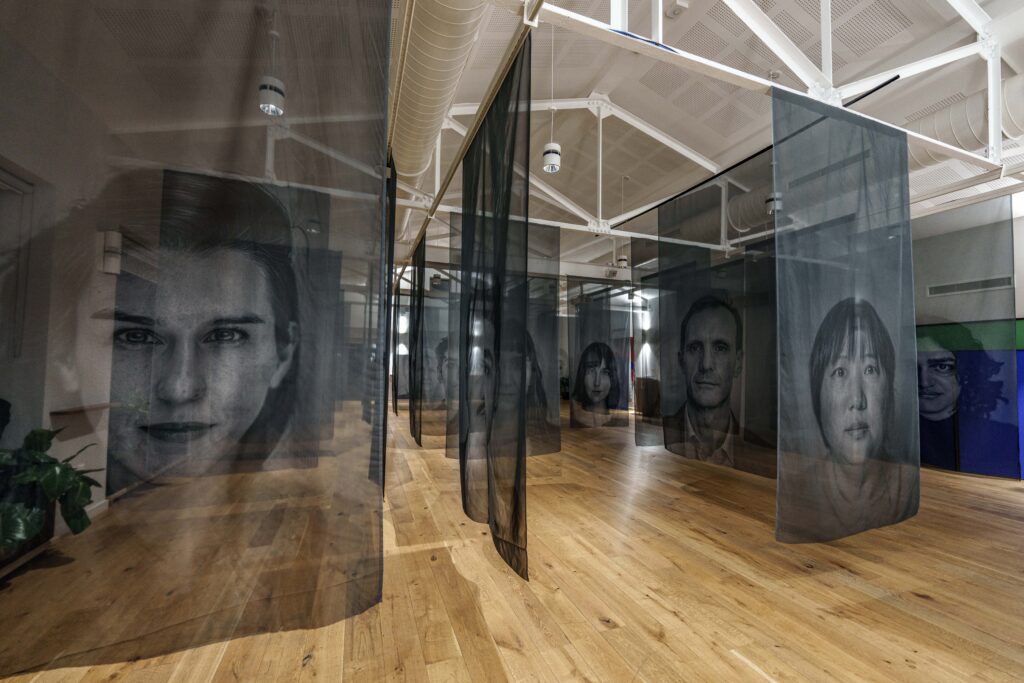
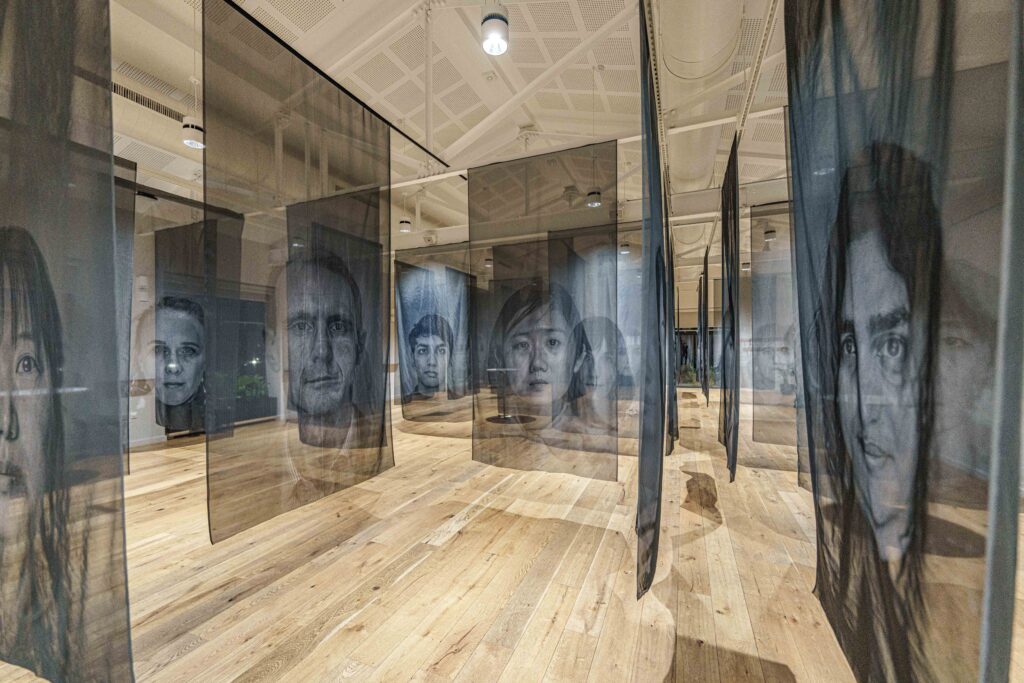
Portraits of (Im)mortality Over Dinner Participants across Poland, India and China
From the Dinners on Immortality: Intimacies of Grief, Memory and Technology
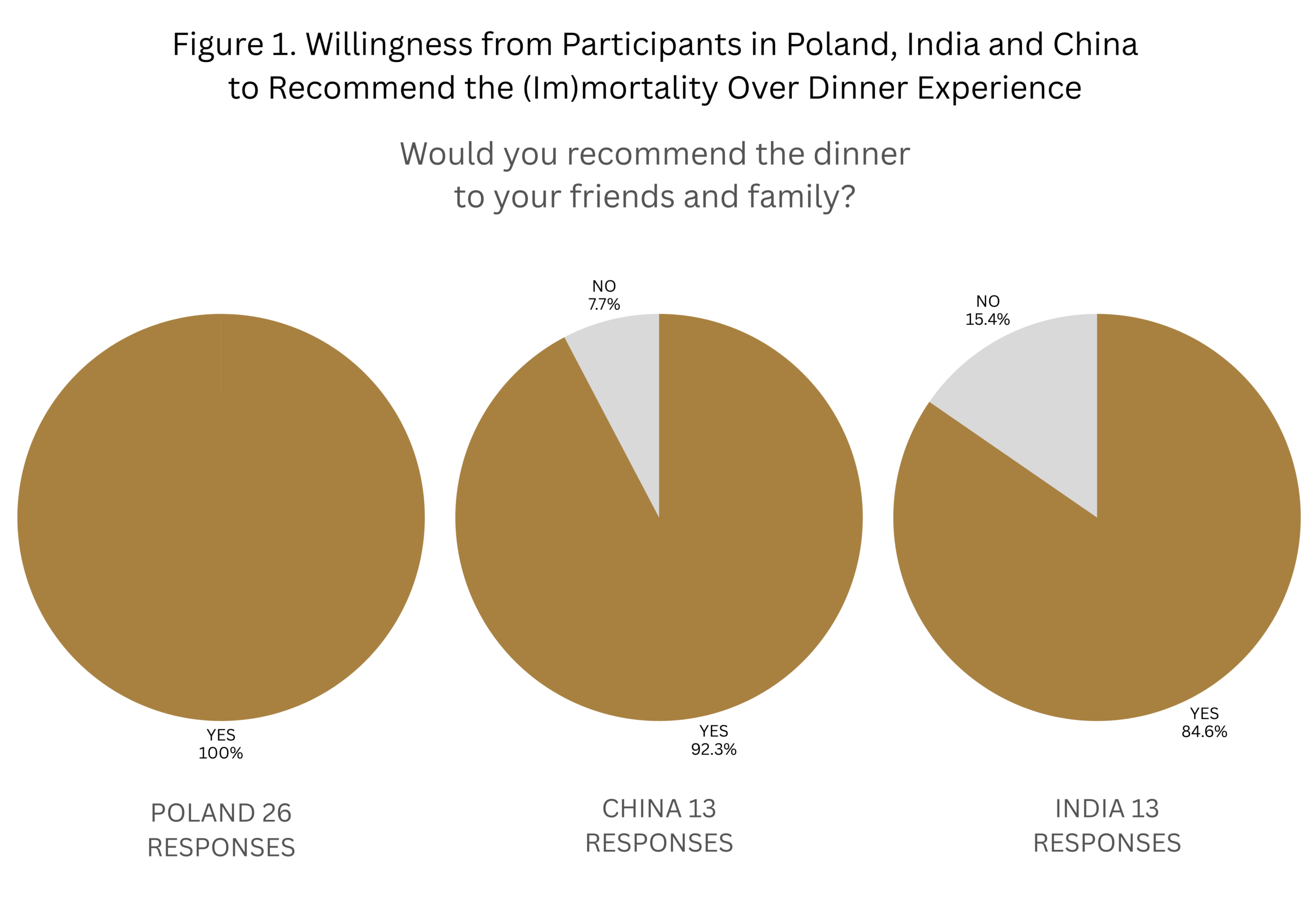
Throughout Poland, India, and China, the (Im)mortality Over Dinner gatherings offered participants a rare opportunity to speak openly about death, memory, and digital immortality in intimate, caring settings that were deliberately distinct from conventional research environments. Around shared meals, participants encountered one another not only as discussants but as fellow humans reflecting on loss, continuity, and vulnerability. The format itself—combining ritual gestures, symbolic acts, and personal reflection —proved central to creating an atmosphere where topics often considered taboo could be approached with honesty and care. Feedback surveys from each location reflected this success: participants consistently described feeling safe, respected, and supported throughout the process (Figure 1).
Recurring themes nevertheless revealed both commonalities and cultural differences. One of the strongest shared concerns was the vulnerability of grief and the risk of its exploitation. In Poland and India, griefbots were likened to addictive substances, with participants warning of dependency and emotional manipulation, while in China, the phrase “emotional kidnapping” captured similar anxieties about clinging to the dead in ways that impede healing.
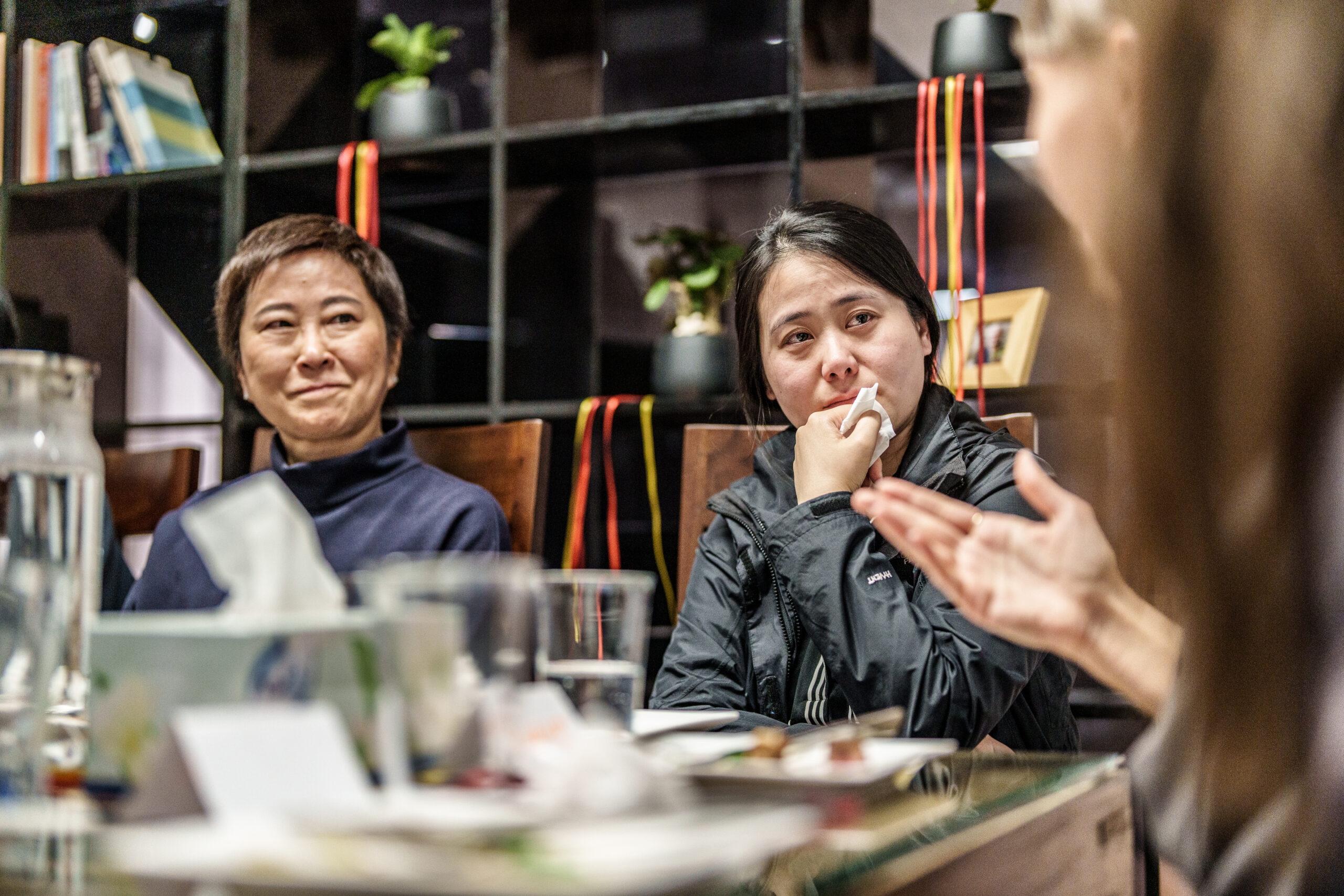
Participants at one of the (Im)mortality Over Dinners in China
Across contexts, participants called for safeguards—whether through therapeutic supervision, regulation, or cultural boundaries—to ensure that such technologies do not deepen harm in moments of fragility. This apprehension was powerfully captured by one Indian participant, who remarked: “It is not good for countries with poor psychological care. In case something goes wrong and there is a disruption in the grief process, who would help us?”
Another theme that cut across contexts was the tension between remembering and letting go. In India, participants saw potential in avatars as companions for lonely elders or as interactive archives that could preserve knowledge that might otherwise be lost. In China, by contrast, there was stronger resistance to immortalisation, with participants stressing the importance of leaving the dead in peace. Here, philosophical traditions shaped the debate: Daoist continuities, Buddhist cautions against attachment, and Confucian emphasis on family obligations all influenced how participants weighed the promise and peril of remembrance.
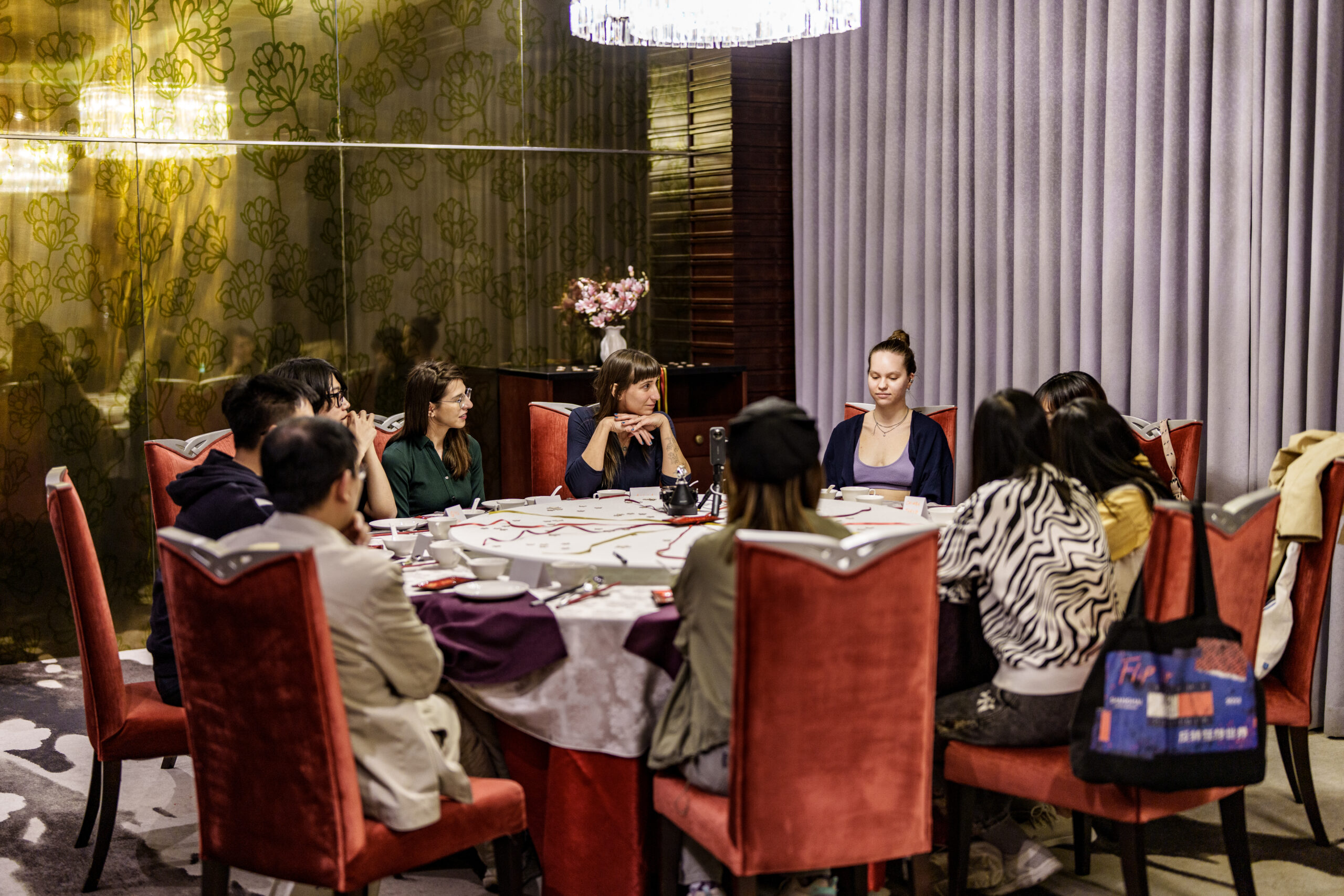
Participants at one of the (Im)mortality Over Dinners in India
Strikingly, the Chinese Dinners were the first in the series where participants described the dead not only with reverence but also as sources of pain and harm. Some recounted experiences of generational violence, noting that maintaining bonds with the deceased could sometimes mean perpetuating harmful cycles rather than honouring legacies. Alongside these perspectives, however, others spoke of unconditional love, the enduring presence of lost relatives, and the conviction that life and death are not sharply divided but part of a continuous whole.
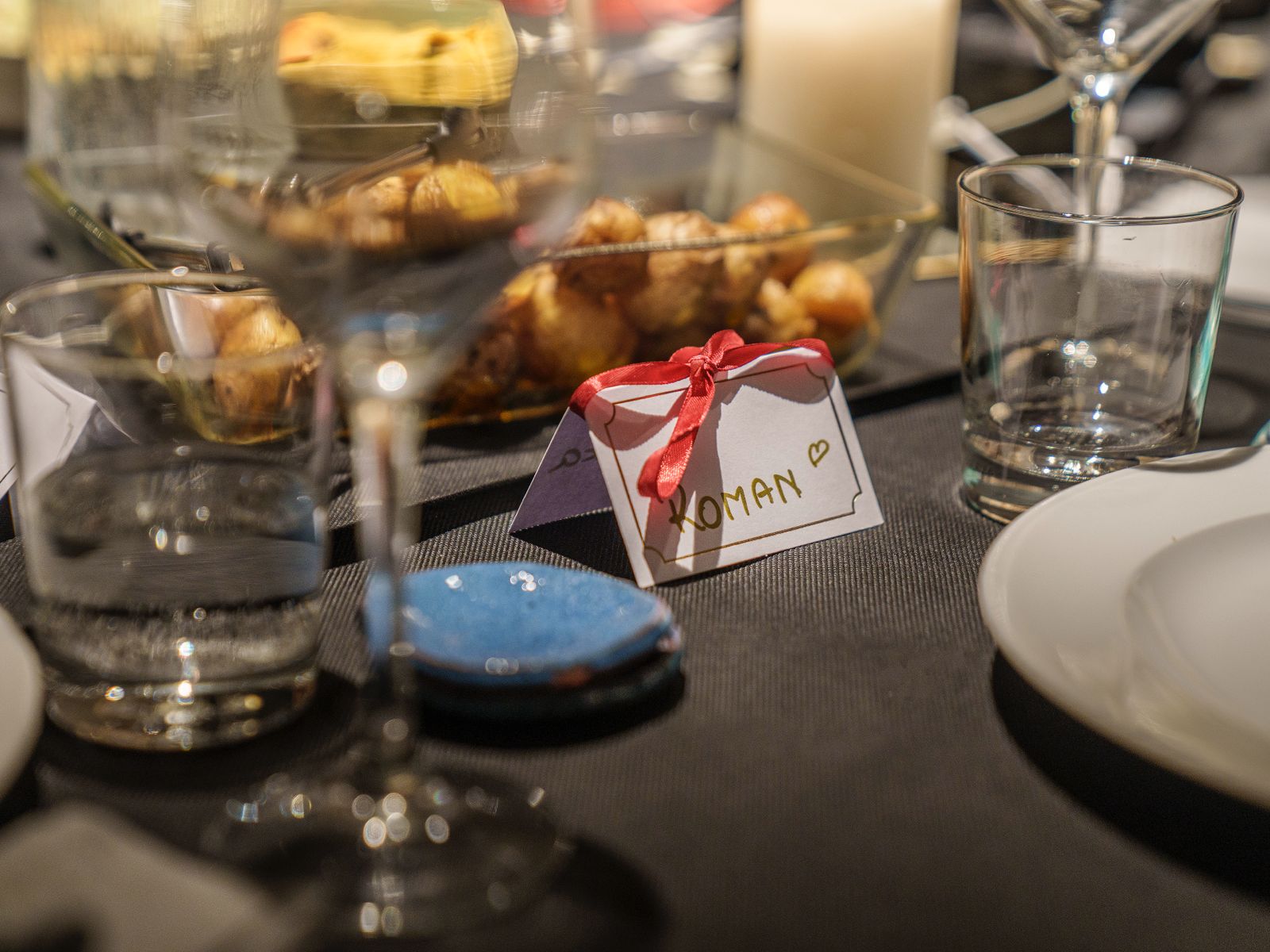
Details from the Table Setting at the (Im)mortality Over Dinners in Poland
Despite differences, the Dinners also highlighted a shared recognition of the power of such conversations themselves. Many participants described the experience as moving, meditative, or even transformative. Strangers found themselves connected through personal stories of loss, with reflections ranging from renewed commitments to loved ones, such as “I should create more memories with my family”, to a sense of being accompanied by ancestors. In this way, the Dinners became more than research activities: they served as temporary communities of care, where cultural traditions, philosophical ideas, and personal emotions converged to reimagine how death might be approached in the digital age.
“It was a form of meditation for me. I was meditating with you, and that became a prayer for my ancestors. I felt that I was with my ancestors today”.
“A truly unique study group that provides a rare opportunity to connect with others on a deeply human level through conversation around death and immortality. It offers a safe and open space to discuss death, share perspectives without judgment, and have honest conversations about what truly matters beyond life”.
“Intimate community experience about issues that are generally considered taboo: death, loss, and grief”.
“I would describe it as a deeply personal and intimate, yet also intellectual, experience in which ideas and emotions are treated as one”.
“We talk about death. That’s it. And that is already precious”.
Dinners Participants
Exhibition
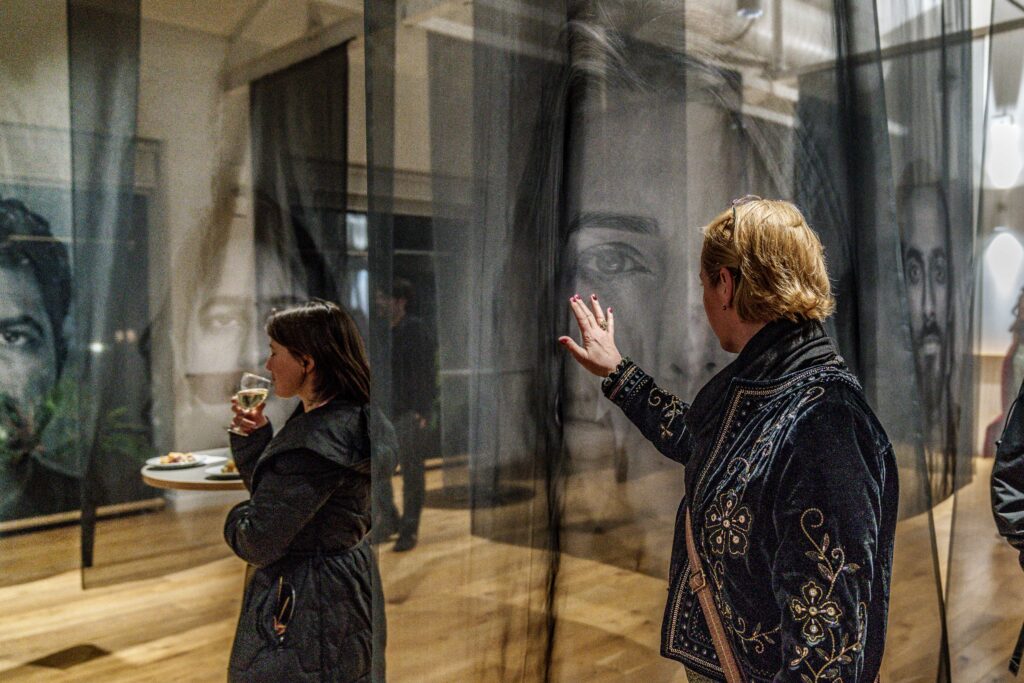
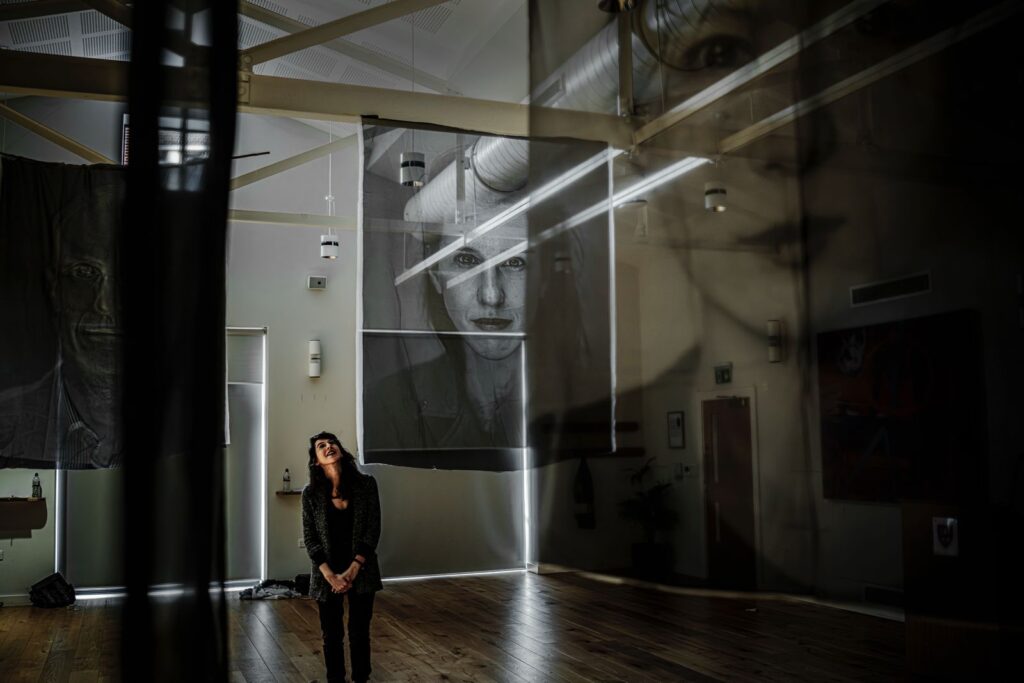
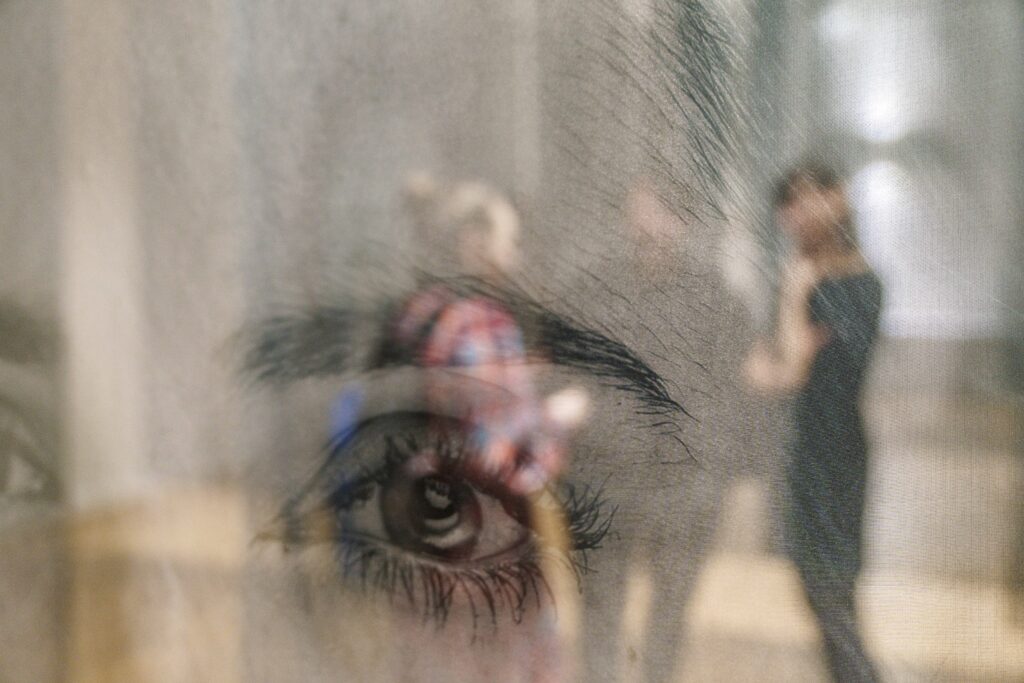
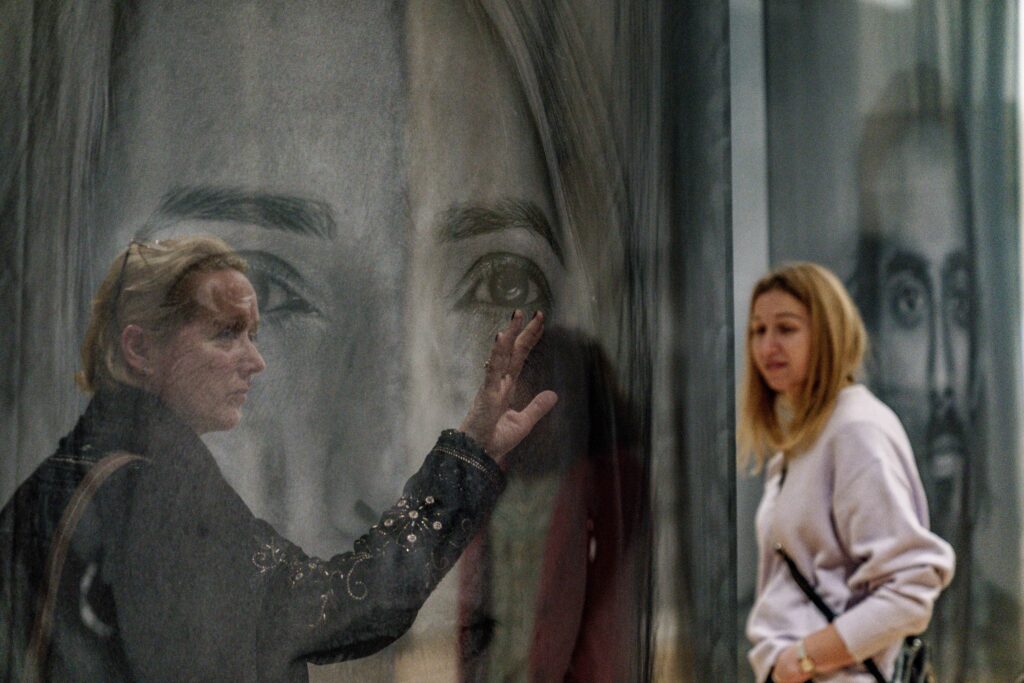
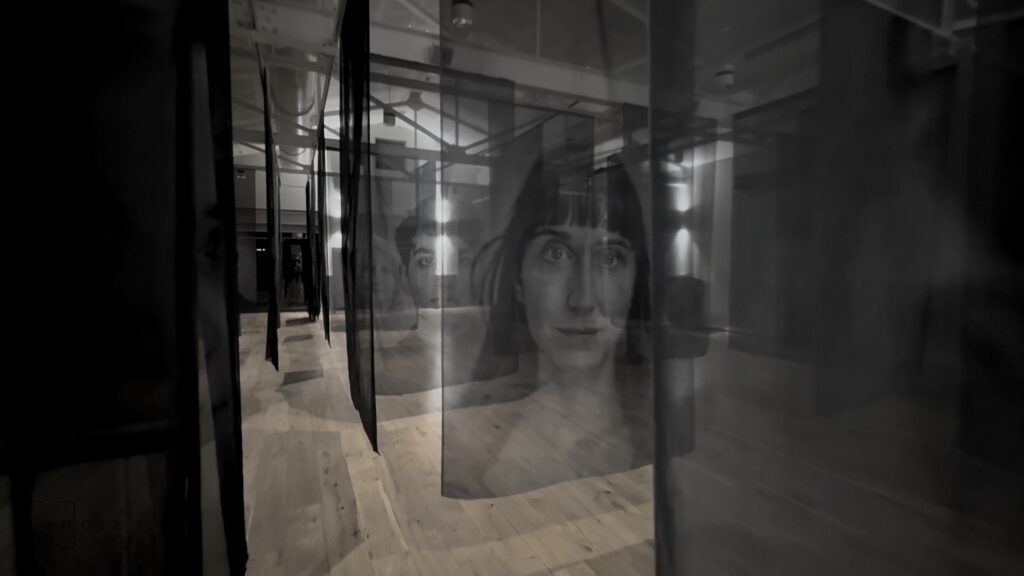
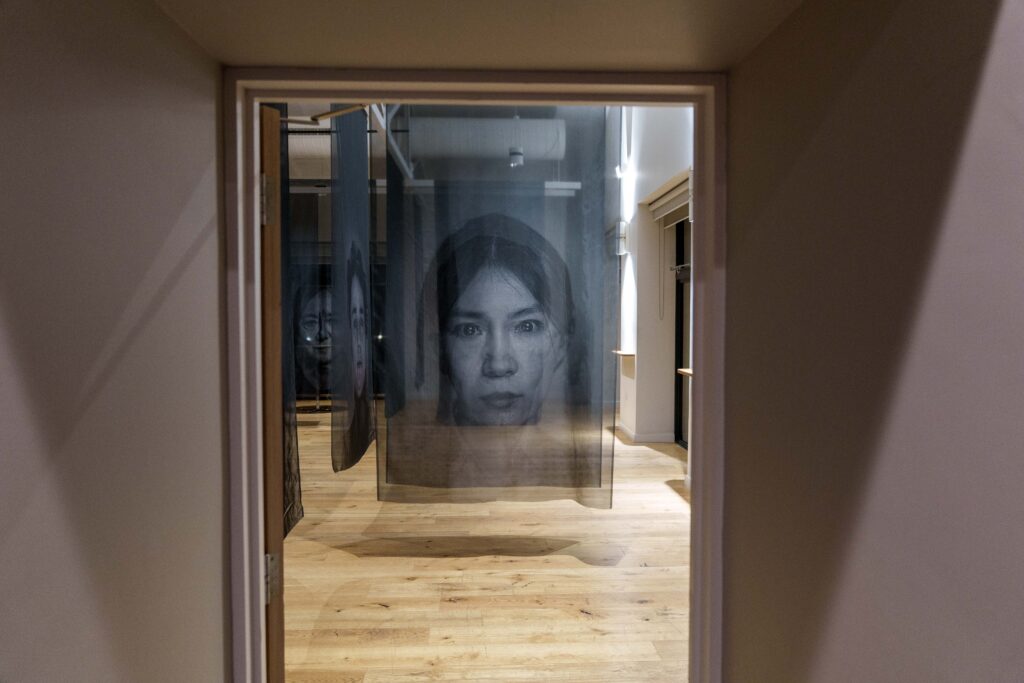
As part of the project’s concluding event, a striking photo installation showcased portraits of participants from the “(Im)mortality Over Dinner” research gatherings. Designed and prepared by Tomasz Siuda and curated by Dr. Katarzyna Nowaczyk-Basińska, the installation opened up new ways of experiencing the topic of digital immortality—through touch, smell, and sound—and offered a way of communicating research findings beyond academic contexts.
By blending art, research, and dialogue, the project highlights a deeply personal question: what kind of digital legacy do we want to leave behind?